Meal Planning and Meal Prep
Make fueling easier on your busiest days
Between school, practices, games, workouts, and travel, it isn't always easy to find the time to cook, or even sit down for a meal. Meal planning and meal prep can make it easier to have balanced meals and snacks ready during busy days and schedules.
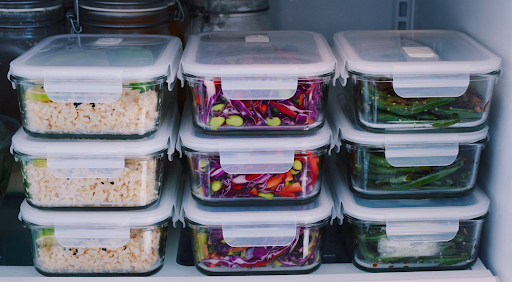
Meal prepping means preparing some of your food ahead of time. It is a simple and helpful approach to cooking that involves setting aside a chunk of time or a day once a week to plan, shop for, and prepare food that will carry you through much of the rest of your week.
You don't need to cook every meal for the entire week. Even preparing one or two meals, a few snacks, or some key ingredients can make a busy week much more manageable. When approached correctly, meal prep can save time and money while reducing stress and food waste.
Why meal prep?
Meal prep can help you:
Save time cooking throughout the week when your schedule gets busy
Save money by relying less on takeout
Have fuel ready before or after training
Make balanced meals easier to put together
Reduce stress around figuring out what to eat
Reduce risk of skipping meals
Reduce food waste by planning what you'll actually use
The 4-Step Meal Prep Method
Plan
Start by looking at your week.
Think about:
When are practices and games this week?
Which days will be especially busy?
Will you need breakfast, lunch, dinner, or snacks on the go?
Which meals can you prepare ahead of time?
You don't have to plan every meal. Start with the meals or snacks you know will be hardest to fit into your schedule.
Set yourself up for success: Having a goal in mind for the week is a great thing. Knowing how many people you are meal planning for and what you are trying to achieve through your meal plan is a great start. Making a meal plan for the week and writing a grocery list can help keep you organized and efficient. If it helps, print your meal plan and post it on your fridge.
Please see both templates in our Nutrition Portal.
Building a Balanced Athlete Meal
When putting together a meal, think: Carbs + Protein + Colour + Healthy Fats
Carbohydrates: Your body's preferred fuel source for exercise
Examples: rice, pasta, potatoes, oats, bread, fruitProtein: Supports muscle repair and recovery
Examples: chicken, eggs, fish, Greek yogurt, beans, tofuColour: Provides vitamins, minerals, fibre, and other nutrients
Examples: vegetables and fruitHealthy fats: Support overall health and help keep meals satisfying
Examples: avocado, nuts, seeds, olive oil, nut butter
You don't need to make every meal perfect. Aim for balance over time.
Please see the Game Day Nutrition module for more information.
Shop
Once you know what you'll need, make a grocery list. You can use the grocery list template provided in the portal.
You can start by choosing the meals and snacks you want to prepare for the week, then make an organized grocery list based on what you plan to make.
Athlete Grocery Shopping List
Protein
Opt for mostly lean protein sources
Eggs
Chicken breast (boneless, skinless)
Turkey
Turkey products (sausage, bacon)
Lean deli meat
Lean beef (90/10 or better)
Sirloin/tenderloin
Fish (salmon, tuna, cod, etc.)
Shrimp
Tuna packets
Pork tenderloin
Tofu
Milk (regular, chocolate milk)
Greek yogurt/yogurt
Cheese
String cheese
Beans
Edamame
Lentils
Beef or turkey jerky
Protein bars (10-15 g protein)
Protein powder (whey, soy, pea and 3rd party tested)
Carbohydrates
Choose 100% whole wheat/grain options
Bread or wraps
English muffins
Bagels
Cereal
Oats
Granola bars (Kashi, Luna, Clif, Larabar)
Tortilla/wraps
Pita bread
Pasta
Rice
Couscous
Quinoa
Potatoes (white/red/sweet/purple)
Crackers (Triscuits, Wheat Thins, Graham)
Pretzels
Corn
Colour
Choose fresh, canned, or frozen
Vegetables
Green leafy lettuce
Bagged salad
Broccoli
Asparagus
String beans
Bell peppers
Brussels sprouts
Cauliflower
Celery
Cucumber
Carrots
Mushrooms
Onions
Squash
Tomato
Zucchini
Beets
Cabbage
Fruits
Apple
Banana
Berries
Grapefruit
Grapes
Kiwi
Lemon
Lime
Mandarin oranges
Mango
Melon
Orange
Peaches
Pears
Plums
Dried fruits (1 tbsp = 1 serving)
Fruit cups (in own juice)
100% fruit juice
Healthy Fats
Oils (olive, canola)
Avocado/guacamole
Nuts (almonds, walnuts, pistachios, peanuts)
Nut butter (peanut, almond)
Olives
Seeds
Flaxseed
Condiments and Spices
Spices (fresh/dried)
Vinegars (balsamic, apple cider)
Salsa
Mustard
BBQ sauce
Ketchup
Oil-based salad dressings
Hummus
Tomato sauce
Don't be afraid to use convenient options. Frozen vegetables, canned beans, pre-cooked rice, bagged salads, and store-bought sauces can all make meal prep faster.
You can also consider a grocery delivery service or farm share if it works for your household. This can mean less time shopping and potentially less money spent on impulse purchases.
Prep
Before you start cooking, make sure you have a clean and organized workspace. You don't need a huge kitchen or lots of fancy equipment. A few basic tools can go a long way:
A sharp chef's knife
A cutting board
2-3 large bowls
2-3 pots or pans
1-2 baking sheets
A large spoon
A spatula
Containers for storing your prepared food
Keep a bowl or garbage bin nearby for food scraps so you can keep your workspace clean as you cook.
Prep the Right Amount
Cooking in larger batches can save time, but preparing an amount that you will realistically eat will help reduce food waste. You can also always freeze the food you don’t get to, or make extra food to have as backup in your freezer.
As a general starting point:
Dry grains: ¼ cup is approximately one serving; 1 cup dry makes about 4 servings.
Cooked beans: ¼ cup is approximately one serving; 1 cup cooked makes about 4 servings.
Meat or fish: approximately 3-4 oz is a common serving size.
Athletes may need different amounts depending on their body, training, appetite, and schedule.
You also don’t need to spend the full day cooking. Instead, choose a few things that will make your week easier.
For example:
Cook:
A batch of rice or pasta
Chicken, turkey, tofu, or another protein
Roasted potatoes
Prepare:
Wash and cut fruit
Chop vegetables
Make overnight oats
Portion out snacks
Prepare sandwiches or wraps
Even preparing one meal or a few ingredients counts as meal prep and can help make your week a little easier.
Mix and Match Your Meals
You don't have to eat the exact same meal every day. You can prepare a few ingredients and combine them in different ways throughout the week to keep your meals fresh, flavourful, and interesting.
One easy approach is to prepare a few key ingredients or dishes separately and then mix and match them to create different meals.
Example
Prep once:
Chicken
Rice
Roasted vegetables
Avocado
Salsa
Then you can create:
Chicken wrap- Chicken + rice + vegetables + avocado + salsa
Chicken bowl- Rice + chicken + vegetables + avocado + salsa
Breakfast-for-dinner bowl- Rice + vegetables + egg + avocado
You don’t have to make identical containers of food, but you can prep foods in a way to create different meals during meal times.
Once You’ve Prepped
Food safety guidelines suggest you can safely eat most things within 3–5 days of cooking them. Use your senses as a guide: does it still look and smell tasty? If not, better safe than sorry and you should throw it away.
If you cook fish, eat it earlier in the week. It’s more perishable than many other items and tastes better closer to when it was cooked.
Always store dressings and dipping sauces separately. Keeping fragile items like lettuce dry is essential for fresher-tasting food. Investing in a few small sauce containers for this purpose is a great idea.
Allow your prepped items to fully cool before closing the lid on them. This can help prevent condensation from forming and keep your food fresh longer.
Choose storage containers that make the most sense for your lifestyle and budget. For small portions and composed meal prep, 30 oz glass containers are a great option because they can be safely reheated in the microwave.
Tips for Meal Planning and Prepping
Choose Foods That Keep and Store Well
Some foods are especially convenient for meal prep because they maintain their texture and flavour when stored.
For salads: Choose sturdy vegetables such as kale, cabbage, and Brussels sprouts. Keep dressings separate and add them when you're ready to eat.
For proteins: Ground meats, chicken thighs, meatballs, burgers, soups, and stews can work well for meals that need to be prepared ahead of time.
For pasta: Store pasta with its sauce, or toss it with a small amount of oil if storing it separately to help prevent sticking.
For vegetables: Roasted vegetables can be prepared ahead and added to different meals throughout the week.
1. Don't Forget No-Cook Options
Not every meal needs to involve cooking! No- or low-cook meals can be a great option when you're short on time.
Try:
Bean salads
Grain bowls
Sandwiches and wraps
Yogurt bowls
Overnight oats
Simple green salads
Smoothies
These options can make meal prep much easier during a busy week.
Keep Your Meals Interesting- Pick a Few Flavour Profiles
Eating the same meal over and over can get boring. Try changing the flavour instead of completely changing the ingredients.
Try:
Mediterranean: lemon, garlic, olive oil, hummus, feta
Italian-inspired: tomato sauce, basil, Italian seasoning, parmesan
Mexican-inspired: salsa, avocado, beans, cumin, chili
Asian-inspired: soy sauce, sesame, ginger, teriyaki
You can then use the same ingredients in different combinations throughout the week without eating the exact same meal every day.
Meal Prep Shortcuts
Meal prep doesn't have to mean making everything from scratch.
Store-bought sauces, dressings, dips, and other convenient ingredients can be great time-savers.
The goal of meal prep is to make eating well easier, not to create more work for yourself.
Try:
Frozen vegetables
Microwaveable rice
Canned beans
Pre-cooked chicken
Bagged salad
Store-bought pasta sauce
Pre-cut vegetables
Grab-and-go fruit
Individual portions of nuts or nut butter
Convenience foods can be part of a healthy athlete's diet. The best meal prep routine is one that you can actually stick with.
Don't Stress About a Perfect Meal Prep
Some weeks you'll have time and energy to prep and other weeks, you won't.
You don't need a perfectly organized fridge, seven identical meals, or a full day of cooking to fuel yourself well.
Even small amounts of preparation can make a difference.
Maybe this week you:
Cook one batch of chicken
Make overnight oats
Wash your fruit
Pack a few snacks
Prepare tomorrow's lunch the night before
That's still meal prep!
Plan what you can. Prep what makes your life easier. Keep it flexible.