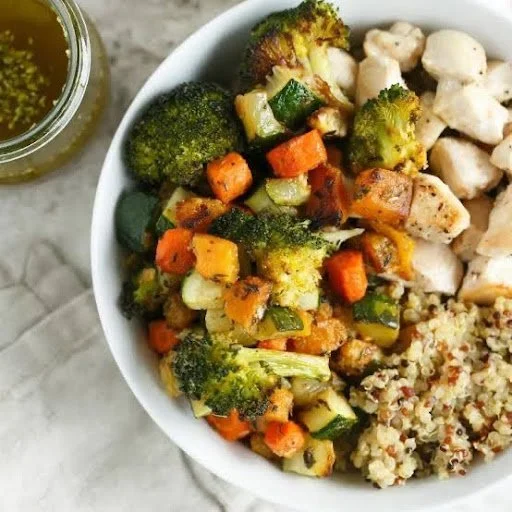
Grilled Chicken and Quinoa Bowls
A hearty, balanced meal made with grilled chicken, fluffy quinoa, and colourful vegetables. With a combination of protein, carbohydrates, and healthy fats, these bowls are a great option for lunch, dinner, meal prep, or post-training recovery.
Prep time: 10 minutes
Cook time: 25 minutes
Servings: 4 bowls
Ingredients
1 lb (450 g) boneless, skinless chicken breast
1 cup quinoa, rinsed
2 cups mixed vegetables, such as broccoli, bell peppers, and carrots
2 tbsp olive oil, divided
Salt and black pepper, to taste
Fresh parsley or cilantro, for garnish
Directions
Preheat the grill to medium-high heat.
Pat the chicken breasts dry and season with 1 tbsp of olive oil, salt, and black pepper.
Grill the chicken for approximately 6-7 minutes per side, or until fully cooked and the internal temperature reaches 165°F (74°C).
Remove the chicken from the grill and let it rest for 5 minutes before slicing.
Meanwhile, cook the quinoa according to the package directions.
While the quinoa cooks, heat the remaining 1 tbsp of olive oil in a large skillet over medium heat.
Add the mixed vegetables and sauté for 5-7 minutes, or until tender but still slightly crisp.
Divide the cooked quinoa evenly among 4 bowls.
Top each bowl with grilled chicken and sautéed vegetables.
Garnish with fresh parsley or cilantro and serve warm.
Try Different Flavour Profiles
Mediterranean: Add cucumber, cherry tomatoes, feta cheese, and a squeeze of lemon. Serve with tzatziki.
Southwest: Add black beans, corn, avocado, and salsa. Season the chicken with chili powder and cumin.
Teriyaki: Add broccoli, carrots, and edamame and drizzle with a low-sodium teriyaki sauce.
Greek: Add roasted red peppers, cucumber, olives, feta, and a lemon-herb dressing.
Peanut-Lime: Add shredded carrots, edamame, and cabbage and drizzle with a peanut-lime sauce.
You can swap the vegetables based on what you have available. Frozen vegetables also work well and can make meal prep even easier.
Athlete Tip
Make it a recovery meal: This bowl combines protein from chicken and quinoa with carbohydrates from quinoa and vegetables, making it a great foundation for a post-training meal. Carbohydrates help replenish glycogen stores, while protein supports muscle repair and recovery.
For athletes with higher energy needs or after a hard training session, increase the carbohydrate portion by adding more quinoa, rice, potatoes, corn, beans, or a piece of fruit. You can also add avocado, nuts, seeds, or a drizzle of olive oil for additional energy.
Meal prep: Prepare several bowls at once and store them in airtight containers in the refrigerator. Keep sauces and fresh toppings separate when possible to maintain the best texture.
Nutrition
Approximate; based on 1 bowl and will vary depending on the size of the chicken breast, amount of olive oil, vegetables, and specific ingredients used.
Calories: ~450 kcal
Carbohydrates: ~40 g
Protein: ~40 g
Fat: ~15 g
Fiber: ~6 g
Suggested serving: 1 bowl. For a higher-energy meal, add extra quinoa or another carbohydrate-rich food such as fruit, whole-grain bread, or roasted potatoes.
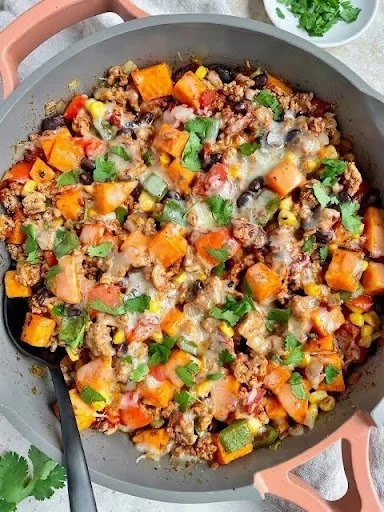
Turkey and Sweet Potato Skillet
A comforting, one-pan meal that combines lean ground turkey, sweet potatoes, and colourful vegetables. Packed with protein and carbohydrates, this simple skillet is a great option for a weeknight dinner, meal prep, or post-training meal.
Prep time: 10 minutes
Cook time: 25 minutes
Servings: 4 servings
Ingredients
1 lb (450 g) lean ground turkey
2 medium sweet potatoes, diced into small cubes
1 bell pepper, chopped
1 medium onion, diced
2 garlic cloves, minced
2 tsp paprika
1 tbsp olive oil, or oil of choice
Salt and black pepper, to taste
Directions
Heat the olive oil in a large skillet over medium heat.
Add the onion and garlic and sauté for 2-3 minutes, until the onion begins to soften.
Add the ground turkey and cook for 5-7 minutes, breaking it apart with a spoon, until browned and fully cooked.
Add the diced sweet potatoes and bell pepper.
Sprinkle with paprika, salt, and black pepper. Stir well to combine.
Cover the skillet and cook for approximately 12-15 minutes, stirring occasionally, until the sweet potatoes are tender and the turkey is fully cooked.
If the skillet becomes dry while cooking, add a small splash of water or broth.
Taste and adjust the seasoning as needed.
Serve warm or divide into containers for meal prep.
Try Different Flavour Profiles
Southwest: Add black beans, corn, cumin, chili powder, and a squeeze of lime. Top with avocado or salsa.
Mediterranean: Add spinach, cherry tomatoes, oregano, and feta cheese. Finish with fresh parsley and lemon.
Breakfast Skillet: Top with a fried or scrambled egg and serve with fruit on the side.
Maple Dijon: Add a small drizzle of maple syrup and Dijon mustard for a sweet and savoury combination.
Taco-Style: Season with taco seasoning and top with shredded cheese, salsa, and Greek yogurt.
You can swap the vegetables based on what you have available. Try adding spinach, zucchini, broccoli, or mushrooms for additional variety.
Athlete Tip
Fuel recovery with protein + carbohydrates: This skillet provides protein from the turkey to support muscle repair and carbohydrates from the sweet potatoes to help replenish glycogen stores after training.
For athletes with higher energy needs, increase the portion of sweet potato or add another carbohydrate-rich food such as rice, quinoa, whole-grain bread, beans, or fruit.
For a more complete post-training meal, add a source of vegetables and consider topping your skillet with avocado, cheese, or a drizzle of olive oil for additional energy and healthy fats.
Meal prep: Divide the cooked skillet into individual containers and refrigerate for up to 3-4 days. Reheat thoroughly before serving.
Nutrition
Approximate; based on 1 of 4 servings and will vary depending on the type of ground turkey, amount of oil, and size of the sweet potatoes used.
Calories: ~400 kcal
Carbohydrates: ~35 g
Protein: ~30 g
Fat: ~17 g
Fiber: ~6 g
Suggested serving: 1 serving of turkey and sweet potato skillet. For a higher-energy meal or post-training recovery meal, add extra sweet potato, rice, quinoa, beans, or fruit.
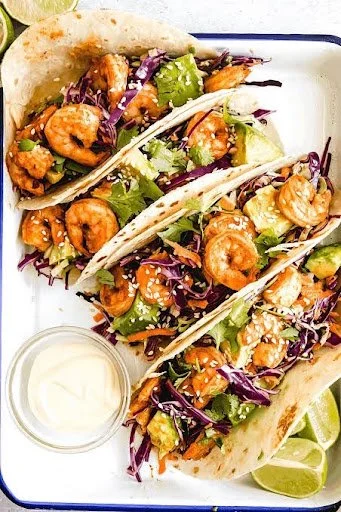
Spicy Shrimp Tacos with Cabbage Slaw
A quick, flavourful dinner that combines seasoned shrimp, soft corn tortillas, and crunchy lime cabbage slaw. These tacos provide protein and carbohydrates in a simple meal that can be customized with your favourite toppings.
Prep time: 10 minutes
Cook time: 10 minutes
Servings: 4 servings (2 tacos per serving)
Ingredients
1 lb (450 g) shrimp, peeled and deveined
1 tbsp olive oil
1 tsp chili powder
1 tsp ground cumin
Salt and black pepper, to taste
8 small corn tortillas
2 cups shredded cabbage
Juice of 1 lime
Directions
In a medium bowl, toss the shrimp with olive oil, chili powder, cumin, salt, and black pepper.
Heat a large skillet over medium heat.
Add the shrimp and cook for approximately 2-3 minutes per side, or until the shrimp are pink, opaque, and cooked through.
While the shrimp cook, warm the tortillas in a separate dry skillet for about 30 seconds per side.
In a small bowl, combine the shredded cabbage with lime juice and toss to coat.
Divide the shrimp evenly among the tortillas.
Top each taco with the lime cabbage slaw.
Serve immediately with your favourite toppings.
Try Different Flavour Profiles
Fish Tacos: Swap the shrimp for white fish such as cod, haddock, or tilapia. Season with the same spices and cook until the fish flakes easily.
Chicken Tacos: Replace the shrimp with thinly sliced chicken breast and cook until the chicken reaches 165°F (74°C).
Black Bean Tacos: Use seasoned black beans instead of shrimp for a plant-based option.
Creamy Lime: Add a drizzle of Greek yogurt mixed with lime juice for a creamy topping.
Fresh & Fruity: Add diced mango or pineapple, avocado, and fresh cilantro for a sweet and savoury combination.
Extra Veggie: Add sliced bell peppers, corn, or roasted zucchini for more vegetables.
If using a different protein, adjust the cooking time as needed and make sure it reaches a safe internal temperature.
Athlete Tip
Fuel your training with carbohydrates + protein: The shrimp provide high-quality protein, while the corn tortillas provide carbohydrates to help fuel activity and replenish glycogen stores.
For athletes with higher energy needs, increase the carbohydrate content by adding more tortillas, black beans, rice, corn, or a side of fruit. You can also add avocado or a drizzle of olive oil for additional energy and healthy fats.
For a higher-protein meal, add extra shrimp or serve the tacos with a side of Greek yogurt-based dip.
Meal prep: Cook the shrimp and prepare the cabbage slaw ahead of time. Store them separately from the tortillas and assemble just before eating to prevent the tortillas from becoming soggy.
Nutrition
Approximate; based on 2 tacos and will vary depending on the size of the shrimp, tortillas, amount of oil, and toppings used.
Calories: ~300 kcal
Carbohydrates: ~30 g
Protein: ~28 g
Fat: ~10 g
Fiber: ~4 g
Suggested serving: 2 tacos + a carbohydrate-rich side such as rice, black beans, corn, or fruit. For a higher-energy post-training meal, consider 3-4 tacos with additional sides.
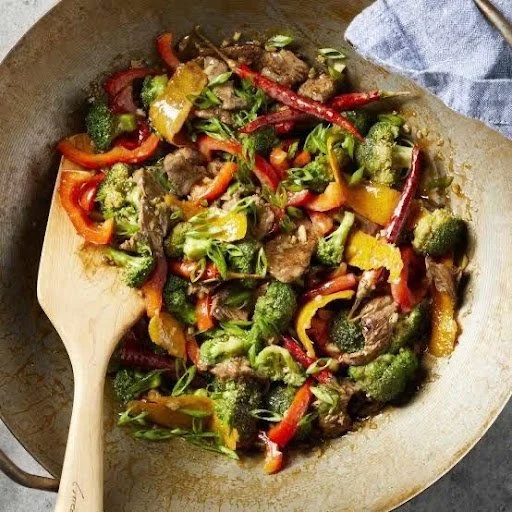
Beef and Broccoli Stir-Fry
A quick and satisfying dinner made with tender beef, crisp broccoli, garlic, and ginger. This simple stir-fry is rich in protein and pairs well with rice or noodles for a balanced meal that can fuel training and support recovery.
Prep time: 10 minutes
Cook time: 10 minutes
Servings: 4 servings
Ingredients
1 lb (450 g) beef sirloin, thinly sliced
4 cups broccoli florets
2 tbsp low-sodium soy sauce
1 tbsp sesame oil
2 garlic cloves, minced
1 tsp fresh ginger, grated
1 tbsp olive oil or neutral cooking oil, if needed
Black pepper, to taste
Cooked rice or noodles, for serving
Directions
Thinly slice the beef against the grain. Pat dry with a paper towel and set aside.
Heat the sesame oil in a large skillet or wok over medium-high heat.
Add the garlic and ginger and stir-fry for about 30 seconds, until fragrant.
Add the beef in a single layer and cook for 2-3 minutes per side, or until browned and cooked to your preferred doneness.
Add the broccoli and soy sauce. Stir well to combine.
Cook for 5-7 minutes, stirring frequently, until the broccoli is bright green and tender-crisp. If the pan becomes dry, add a splash of water.
Taste and add black pepper or additional soy sauce if needed.
Serve hot over cooked rice or noodles.
Try Different Flavour Profiles
Teriyaki: Add a splash of teriyaki sauce and top with sesame seeds and green onions.
Spicy: Add red pepper flakes, chili garlic sauce, or sriracha for some heat.
Ginger-Lime: Add extra fresh ginger and finish with a squeeze of lime juice.
Veggie-Packed: Add sliced bell peppers, carrots, mushrooms, snap peas, or edamame.
Peanut: Add a spoonful of peanut butter to the sauce and a splash of water to create a creamy peanut stir-fry sauce.
Cut the beef into thin, evenly sized pieces so it cooks quickly and stays tender. Avoid overcrowding the pan, as this can cause the beef to steam rather than brown.
Athlete Tip
Don't forget the carbohydrates: Beef provides high-quality protein, iron, and other nutrients that support an athlete's diet, while broccoli adds fibre and micronutrients. Pairing the stir-fry with rice or noodles provides the carbohydrates needed to support training and replenish glycogen stores.
For a higher-energy meal, increase the rice or noodle portion or add carbohydrate-rich vegetables such as corn, carrots, or edamame. You can also add avocado, sesame seeds, or a small amount of extra oil for additional energy and healthy fats.
Meal prep: Prepare the beef and broccoli ahead of time and portion with cooked rice into individual containers. Store in the refrigerator for up to 3-4 days and reheat thoroughly before serving.
Nutrition
Approximate; based on 1 serving of beef and broccoli without rice or noodles. Nutrition will vary depending on the cut of beef, amount of oil, and specific soy sauce used.
Calories: ~330 kcal
Carbohydrates: ~12 g
Protein: ~32 g
Fat: ~18 g
Fiber: ~4 g
Suggested serving: 1 serving of beef and broccoli + 1-1½ cups cooked rice or noodles. For athletes with higher energy needs, increase the carbohydrate portion or add another carbohydrate-rich side such as fruit.
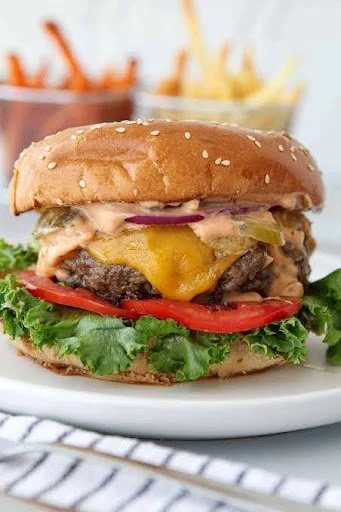
Homemade Beef Burgers
A homemade burger that can be paired with carbohydrate-rich sides and colourful vegetables for a balanced athlete-friendly meal. Prep the patties ahead of time for an easy lunch or dinner on busy training days.
Prep time: 10 minutes
Cook time: 10 minutes
Servings: 4 burgers
Ingredients
1 tbsp olive oil
1 tbsp Worcestershire sauce
½ tsp garlic powder
1 tsp salt
½ tsp black pepper
1 lb (450 g) lean ground beef
4 slices cheddar cheese, optional
4 whole-grain burger buns
Directions
In a large bowl, whisk together the olive oil, Worcestershire sauce, garlic powder, salt, and black pepper.
Add the ground beef and gently mix until just combined. Avoid overmixing.
Divide the mixture into 4 equal portions and shape each portion into a patty about 1 cm thick.
Make a small thumbprint in the centre of each patty to help prevent the burgers from bulging while cooking.
Heat a grill or skillet over medium-high heat.
Cook the burgers for approximately 4-5 minutes per side, or until fully cooked and the internal temperature reaches 160°F for ground beef.
Add a slice of cheddar cheese during the final 1-2 minutes of cooking, if desired.
Remove the burgers from the heat and let them rest for a few minutes.
Serve on whole-grain burger buns with your favourite toppings and sides.
Build Your Plate
For a more complete meal, pair your burger with a carbohydrate-rich side and vegetables:
Carbohydrates: Roasted potatoes, sweet potato fries, rice, corn, or fruit
Vegetables: Lettuce, tomato, cucumber, peppers, carrots, or a side salad
Healthy fats: Avocado, olive oil-based dressing, or a small amount of cheese
You can customize your burger with different toppings and choose sides based on what you have available.
Try Different Flavour Profiles
Classic: Lettuce, tomato, pickles, onion, and your favourite burger sauce.
Mediterranean: Add cucumber, tomato, feta, spinach, and tzatziki.
Southwest: Add avocado, salsa, corn, and black beans.
BBQ: Add barbecue sauce, grilled onions, and a side of roasted potatoes.
Greek: Add tomato, cucumber, red onion, feta, and a lemon-herb dressing.
Athlete Tip
Make it a recovery meal: This burger provides protein to support muscle repair and recovery. Pair it with a carbohydrate-rich bun and side such as potatoes, rice, corn, or fruit to help replenish glycogen stores after training.
For athletes with higher energy needs or after a hard training session, increase the carbohydrate portion by adding extra potatoes, rice, a second bun, or a piece of fruit. You can also add avocado, cheese, or an olive oil-based dressing for additional energy.
Meal prep: Shape the burger patties 1–2 days ahead and store them covered in the refrigerator until you're ready to cook. Uncooked patties can also be frozen for longer-term meal prep.
Nutrition
Approximate; based on 1 burger patty made with 85/15 lean ground beef, without the bun or cheese. Nutrition will vary depending on the lean-to-fat ratio of the ground beef and the specific ingredients used.
Calories: ~280 kcal
Carbohydrates: ~0 g
Protein: ~21 g
Fat: ~22 g
Suggested serving: 1 burger with a whole-grain bun, vegetables, and a carbohydrate-rich side such as roasted potatoes, sweet potato fries, rice, or fruit.
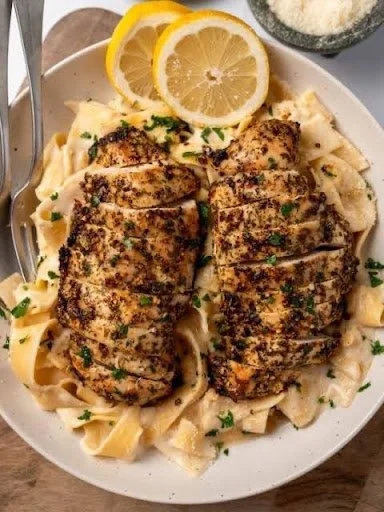
High Protein Alfredo Pasta
A creamy, comforting pasta made with cottage cheese and Parmesan for a boost of protein. This easy meal provides carbohydrates to fuel training and can be paired with chicken, salmon, or vegetables to create a more complete athlete-friendly meal.
Prep time: 5 minutes
Cook time: 15 minutes
Servings: 8
Ingredients
2 cups cottage cheese
½ cup freshly grated Parmesan cheese
1 garlic clove
½ tsp salt, plus more for cooking pasta
½ tsp black pepper
1 lb (450 g) linguine
4 tbsp unsalted butter
¼ cup fresh parsley, chopped, optional
Additional grated Parmesan cheese, for serving, optional
Directions
Add the cottage cheese, Parmesan cheese, garlic, salt, black pepper, and butter to a high-speed blender.
Blend until smooth and creamy.
Bring a large pot of salted water to a boil. Add the linguine and cook according to the package directions until al dente.
Before draining the pasta, reserve about 1 cup of the cooking water.
Drain the pasta and return it to the pot.
Add the cottage cheese Alfredo sauce and about ½ cup of the reserved pasta water.
Cook over low heat, stirring constantly, for about 3 minutes, or until the sauce is warmed through and most of the liquid has been absorbed.
Remove from heat and garnish with fresh parsley and additional Parmesan cheese, if desired.
Serve warm.
Try Different Add-Ins
Chicken Alfredo: Add grilled or shredded chicken breast for extra protein.
Salmon Alfredo: Add cooked salmon for protein and healthy fats.
Veggie Alfredo: Stir in broccoli, spinach, peas, asparagus, or bell peppers.
Mediterranean: Add spinach, cherry tomatoes, grilled chicken, and a sprinkle of Parmesan.
Spicy: Add red pepper flakes, roasted peppers, or a little chili oil.
Extra Protein: Use a higher-protein pasta or add chicken, shrimp, tofu, or another protein source.
You can swap the vegetables and protein based on what you have available. Frozen vegetables are also a convenient option for meal prep.
Athlete Tip
Make it a recovery meal: This pasta provides carbohydrates from the linguine to help replenish glycogen stores after training, along with protein from cottage cheese and Parmesan to support muscle repair and recovery. For a higher-protein recovery meal, add chicken, salmon, shrimp, tofu, or another protein-rich food.
For athletes with higher energy needs or after a hard training session, increase the carbohydrate portion by adding more pasta, fruit, whole-grain bread, or another carbohydrate-rich side.
Meal prep: Store leftovers in an airtight container in the refrigerator for up to 4 days. When reheating, add a splash of milk, pasta water, or plain water and warm gently while stirring to loosen the sauce.
Nutrition
Approximate; based on 1 serving of the recipe as written and will vary depending on the specific ingredients and pasta used.
Calories: ~329 kcal
Carbohydrates: ~45 g
Protein: ~16 g
Fat: ~9 g
Fiber: ~2 g
Suggested serving: 1 serving. For a higher-energy or higher-protein meal, add chicken, salmon, tofu, or another protein source and/or increase the pasta portion.
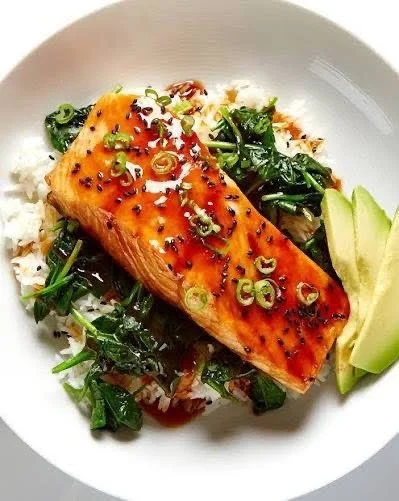
Teriyaki Salmon Rice Bowls
Tender, glazed salmon served with fluffy rice and sautéed broccoli, finished with a savoury teriyaki-sesame sauce. This balanced meal provides protein and carbohydrates to support training, recovery, and energy needs, while being easy enough for a weeknight dinner.
Prep time: 10 minutes
Cook time: 15 minutes
Servings: 2 bowls
Ingredients
2 salmon fillets
500 g tenderstem broccoli, or regular broccoli
200 g basmati or jasmine rice
2 tsp freshly grated ginger
8 tbsp thick teriyaki sauce, divided
2 tbsp soy sauce
6 tbsp sesame oil, divided
½ cup hot water
Salt, to taste
Sesame seeds, for garnish
Fresh cilantro, chopped, for garnish
Directions
Preheat the oven to 350°F (180°C).
Place the salmon fillets in a baking dish. Spread 4 tbsp of the teriyaki sauce over the salmon and top with the grated ginger.
Bake the salmon for approximately 12-15 minutes, depending on the thickness of the fillets. The salmon should be just cooked through in the thickest part. Avoid overcooking to keep the salmon tender and juicy.
While the salmon cooks, rinse the rice under cold water. Add the rice to a saucepan with approximately 2 cups (500 mL) of water and 1½ tsp salt. Bring to a boil, then reduce the heat and cook according to the package directions, usually about 10-15 minutes.
While the rice and salmon are cooking, heat 4 tbsp of sesame oil in a large skillet over medium heat.
Add the broccoli and a pinch of salt. Sauté for approximately 5 minutes, or until tender but still slightly crisp. If needed, cook the broccoli in two batches.
Once the rice is cooked, drain if necessary and divide evenly between 2 bowls.
Top each bowl with the cooked salmon and sautéed broccoli.
In a small bowl, mix the remaining 4 tbsp teriyaki sauce, 4 tbsp hot water, 2 tbsp sesame oil, and soy sauce.
Add the sauce to the skillet used for the broccoli and warm for 1-2 minutes, stirring gently.
Drizzle the warm sauce over the salmon and rice.
Garnish with sesame seeds and chopped cilantro before serving.
Try Different Flavour Profiles
Spicy Teriyaki: Add sriracha, chili flakes, or sliced fresh chili to the sauce.
Ginger-Lime: Add fresh lime juice and extra grated ginger to the teriyaki sauce.
Garlic Teriyaki: Add 1–2 minced garlic cloves to the sauce while warming.
Sesame Crunch: Top with toasted sesame seeds, sliced green onions, and shredded carrots.
Edamame Bowl: Add shelled edamame for extra protein, carbohydrates, and fibre.
You can swap the broccoli for green beans, snap peas, asparagus, bok choy, or another vegetable you have available. Frozen vegetables can also work well for a quick meal.
Athlete Tip
Make it a recovery meal: This bowl provides high-quality protein from salmon and carbohydrates from rice, making it a great option after training. Carbohydrates help replenish glycogen stores, while protein supports muscle repair and recovery. Salmon also provides omega-3 fats, which are important for overall health.
For athletes with higher energy needs or after a hard training session, increase the rice portion or add another carbohydrate-rich food such as edamame, fruit, or additional vegetables.
Meal prep: Cook the rice, broccoli, and salmon ahead of time and portion into airtight containers. Store in the refrigerator and use within 3–4 days. Keep extra sauce separate when possible and add it after reheating.
Nutrition
Approximate; based on 1 bowl and will vary depending on the size of the salmon fillet, type of teriyaki sauce, amount of oil, and specific ingredients used.
Calories: ~750 kcal
Carbohydrates: ~75 g
Protein: ~35 g
Fat: ~35 g
Fiber: ~6 g
Suggested serving: 1 bowl. For a higher-energy meal, increase the rice portion or add edamame, avocado, or a piece of fruit.
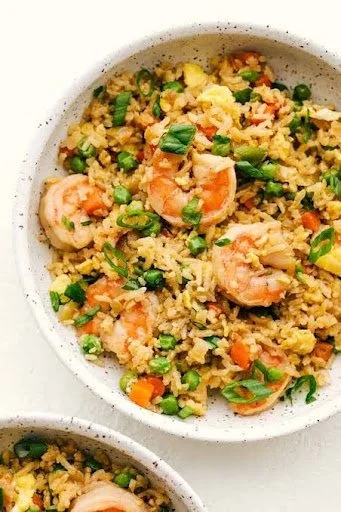
Shrimp Egg Fried Rice
A quick, balanced fried rice is a great option for a high-protein lunch or dinner and can be easily customized with your favourite vegetables.
Prep time: 10 minutes
Cook time: 20 minutes
Servings: 2 bowls
Ingredients
1 cup basmati rice
6 oz.shrimp, peeled and deveined
¾ cup frozen peas
1 red onion, finely chopped
2 eggs
1 spring onion, chopped
2 tbsp teriyaki sauce
2 tbsp soy sauce
2 tbsp garlic paste or 1 garlic clove
1-2 tbsp olive oil
1 tsp sesame oil
Sesame seeds, for garnish
Chili oil, optional
Salt, to taste
Directions
Rinse the rice under cold running water until the water runs mostly clear. (This recipe also works very well with leftover rice).
Add the rice to a saucepan with enough water to cover it by approximately 2-3 cm. Add a pinch of salt and bring to a simmer.
Cook the rice for approximately 10-12 minutes, or according to the package directions. Drain if needed and set aside to cool slightly.
Meanwhile, bring a small saucepan of water to a boil. Add the frozen peas and a pinch of salt. Cook for approximately 4 minutes, then drain and set aside.
Pat the shrimp dry. Heat 1 tbsp vegetable oil and the garlic in a skillet over medium-high heat.
Add the shrimp and cook for approximately 2 minutes per side, or until they are opaque and cooked through. Remove from the pan and set aside.
Heat another 1 tbsp of vegetable oil in a large frying pan or wok over medium-high heat. Add the chopped red onion and cook for 2-3 minutes, or until softened.
Add the cooked rice to the pan and drizzle with the sesame oil. Stir-fry for approximately 3 minutes.
Push the rice to one side of the pan. Crack the eggs into the empty space and scramble until fully cooked but still slightly moist.
Add the cooked shrimp and peas to the pan.
Add the soy sauce and teriyaki sauce. Stir everything together until well combined and heated through.
Divide the fried rice between 2 bowls and top with chopped spring onion and sesame seeds. Add chili oil if desired.
Try Different Flavour Profiles
Spicy: Add chili oil, sriracha, or red pepper flakes for extra heat.
Vegetable-Packed: Add diced carrots, bell peppers, broccoli, corn, or edamame.
Ginger-Sesame: Add 1-2 tsp freshly grated ginger and extra sesame seeds.
Chicken Fried Rice: Swap the shrimp for diced cooked chicken breast or thighs.
Extra Protein: Add an additional egg or increase the amount of shrimp.
You can also swap the peas for frozen mixed vegetables or add leftover vegetables from another meal.
Athlete Tip
Make it a recovery meal: This fried rice combines carbohydrates from rice and peas with protein from shrimp and eggs. Carbohydrates help replenish glycogen stores after training, while protein supports muscle repair and recovery.
For athletes with higher energy needs or after a hard training session, increase the rice portion or add extra shrimp, eggs, or edamame. A piece of fruit on the side can also add extra carbohydrates.
Meal prep: Cook the rice and prepare the other ingredients ahead of time for a quick meal. Store leftovers in an airtight container in the refrigerator and use within 3 days. Reheat thoroughly before serving.
Nutrition
Approximate; based on 1 bowl and will vary depending on the amount of oil, type of teriyaki and soy sauce, and specific ingredients used.
Calories: ~550 kcal
Carbohydrates: ~75 g
Protein: ~30 g
Fat: ~15 g
Fiber: ~6 g
Suggested serving: 1 bowl. For a higher-energy meal, increase the rice portion or add edamame, extra vegetables, or a piece of fruit.